Understanding the Basics of B2B Segmentation Software
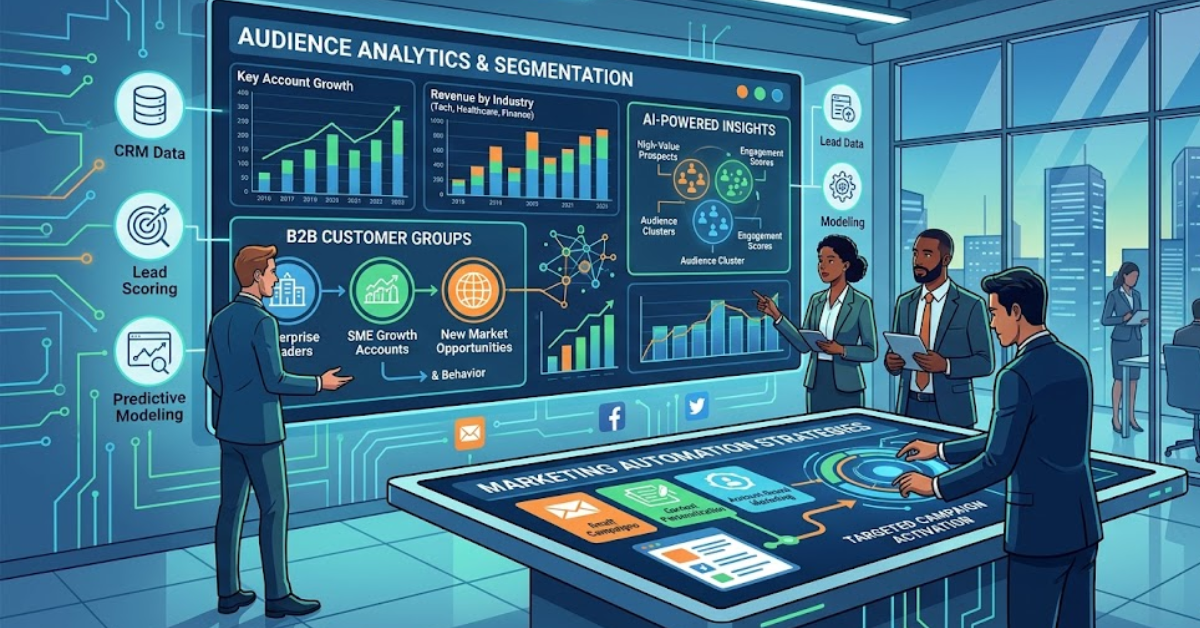
Businesses today collect large amounts of customer and company data, but raw information alone is not enough to improve marketing or sales performance. Companies need tools that can organize and divide audiences into meaningful groups. This is where b2b segmentation software becomes valuable. It helps businesses separate customers and prospects based on shared characteristics such as industry, company size, buying behavior, location, or revenue. These insights allow organizations to create more focused campaigns and stronger communication strategies.
Instead of sending the same message to every lead, businesses can target specific groups with personalized content and offers. This improves engagement rates and increases the chance of conversion. Modern segmentation software also reduces wasted marketing budgets because campaigns become more relevant to each audience segment. As B2B markets become more competitive, segmentation has become an essential part of digital marketing and sales planning.
Why Segmentation Matters in B2B Marketing
B2B marketing is very different from business-to-consumer marketing because purchase decisions often involve multiple stakeholders, longer sales cycles, and higher-value transactions. Without proper segmentation, businesses may struggle to identify the right audience for their products or services. Using b2b segmentation software allows companies to better understand the needs, challenges, and purchasing habits of different business clients.
Accurate segmentation helps marketing teams create customized messaging that speaks directly to each audience group. For example, a software company may market differently to small startups than to large enterprises. Decision-makers in each segment may have unique priorities, budgets, and expectations. Segmentation ensures businesses communicate more effectively and build stronger professional relationships with potential customers.
Key Features Found in Segmentation Software
Most modern segmentation platforms come with advanced tools that simplify data analysis and audience management. One of the most important features is automated data collection, which gathers information from websites, customer relationship management systems, email campaigns, and sales platforms. This creates a centralized customer database that businesses can use for accurate segmentation.
Another common feature in b2b segmentation software is predictive analytics. This technology uses historical customer data to forecast future behavior and identify high-value leads. Many platforms also offer real-time updates, reporting dashboards, and integration with marketing automation systems. These features help businesses make smarter decisions while improving campaign performance and lead nurturing processes.
Different Types of B2B Segmentation
There are several ways businesses can segment their target audience depending on their goals and market strategy. Firmographic segmentation is one of the most common methods and focuses on company characteristics such as industry, employee count, annual revenue, and business location. This helps organizations identify which types of companies are most likely to benefit from their services.
Behavioral segmentation is another powerful strategy supported by b2b segmentation software. This method groups customers based on actions such as website visits, email interactions, content downloads, or purchasing activity. Businesses may also use needs-based segmentation, which focuses on customer pain points and business challenges. Combining multiple segmentation models often delivers the best marketing results because it creates a more complete understanding of customer behavior.
How B2B Segmentation Improves Sales Performance
Sales teams often waste valuable time contacting unqualified leads that are unlikely to convert. Segmentation helps eliminate this problem by identifying the most promising prospects based on specific criteria. With b2b segmentation software, sales representatives can prioritize leads that match ideal customer profiles and show strong buying intent.
This targeted approach increases efficiency and shortens the sales cycle. Sales teams can also personalize conversations using segment-specific insights. Instead of delivering generic pitches, representatives can discuss industry challenges, business goals, and relevant solutions. Personalized communication builds trust faster and improves the likelihood of closing deals successfully.
Also Read About: Fix as Glitchy Software NYT – Step by Step Fixing Guide for Errors
FAQs About B2B Segmentation Software
What does B2B segmentation software do?
B2B segmentation software organizes business contacts and customer data into smaller groups based on shared characteristics. This helps companies create targeted marketing campaigns and improve lead generation efforts.
Is segmentation software only useful for large companies?
No, businesses of all sizes can benefit from segmentation tools. Small and medium-sized businesses often use segmentation to improve marketing efficiency and focus on high-value customers.
Can segmentation improve email marketing results?
Yes, segmented email campaigns usually achieve better open rates, click-through rates, and conversions because the content is more relevant to the audience receiving it.
How does segmentation help customer retention?
Segmentation allows businesses to understand customer needs more clearly and provide personalized support, offers, and communication that strengthen long-term relationships.
Also Read About: Melbourne Cup Updates 2026 | justhorseracing.com.au
The Role of Data in Effective Segmentation
Data quality plays a major role in the success of any segmentation strategy. Even the best b2b segmentation software cannot deliver accurate results if customer information is outdated or incomplete. Businesses need reliable data sources and consistent updates to maintain effective audience segments.
Clean data helps companies identify patterns, trends, and opportunities more accurately. Many segmentation platforms include data cleansing features that remove duplicate records and correct inconsistencies. High-quality data also improves reporting and analytics, allowing businesses to measure campaign performance more effectively and adjust strategies when needed.
Benefits of Personalized Marketing Campaigns
Personalization has become one of the most important factors in successful B2B marketing. Buyers expect businesses to understand their needs and provide relevant solutions. By using b2b segmentation software, companies can create personalized campaigns that address specific customer challenges and interests.
Personalized messaging often leads to higher engagement because customers feel understood and valued. Businesses can tailor email content, advertisements, product recommendations, and sales outreach for each segment. This level of customization improves brand credibility and increases the chances of generating repeat business and customer loyalty.
Common Challenges Businesses Face Without Segmentation
Companies that do not use segmentation often struggle with low conversion rates and ineffective marketing campaigns. Generic messaging fails to connect with diverse audiences because different businesses have different goals and problems. Without b2b segmentation software, organizations may spend large amounts of money targeting the wrong prospects.
Another common challenge is poor customer experience. Customers expect personalized communication, and businesses that fail to provide it may lose opportunities to competitors. Sales and marketing teams can also become disconnected when they lack clear audience insights. Segmentation creates alignment between departments by helping everyone focus on the same target groups and business objectives.
Choosing the Right Segmentation Software
Selecting the right segmentation platform requires careful evaluation of business needs and goals. Companies should look for software that integrates easily with existing systems such as CRM tools, marketing automation platforms, and analytics dashboards. Ease of use is also important because teams need to access and interpret data efficiently.
Scalability is another important factor when choosing b2b segmentation software. Businesses should select a platform that can grow with their customer database and future marketing needs. Features such as AI-powered insights, reporting tools, and automation capabilities can provide additional value. Comparing features, support options, and pricing structures can help businesses make informed decisions.
Future Trends in B2B Segmentation Technology
Technology continues to change the way businesses analyze and target audiences. Artificial intelligence and machine learning are becoming increasingly important in b2b segmentation software. These technologies can process large amounts of data quickly and identify patterns that humans may overlook.
Predictive segmentation is expected to become more advanced in the future. Businesses will be able to anticipate customer needs before buyers even make inquiries. Real-time segmentation and automation will also continue improving customer engagement and campaign efficiency. As digital transformation grows, segmentation technology will remain a critical tool for companies looking to stay competitive in modern markets.
Conclusion
B2B segmentation plays a major role in helping businesses improve marketing accuracy, sales performance, and customer engagement. By using b2b segmentation software, companies can organize customer data into meaningful groups and create highly targeted communication strategies. This leads to better lead generation, improved customer relationships, and stronger business growth.
As competition continues increasing across industries, personalized marketing and data-driven decision-making are becoming essential. Businesses that invest in effective segmentation tools can better understand their audience, reduce wasted resources, and create more successful campaigns. Whether for small businesses or large enterprises, segmentation software has become an important part of modern B2B marketing success.
Also Read More Articles at: SiteInsightHub.com